
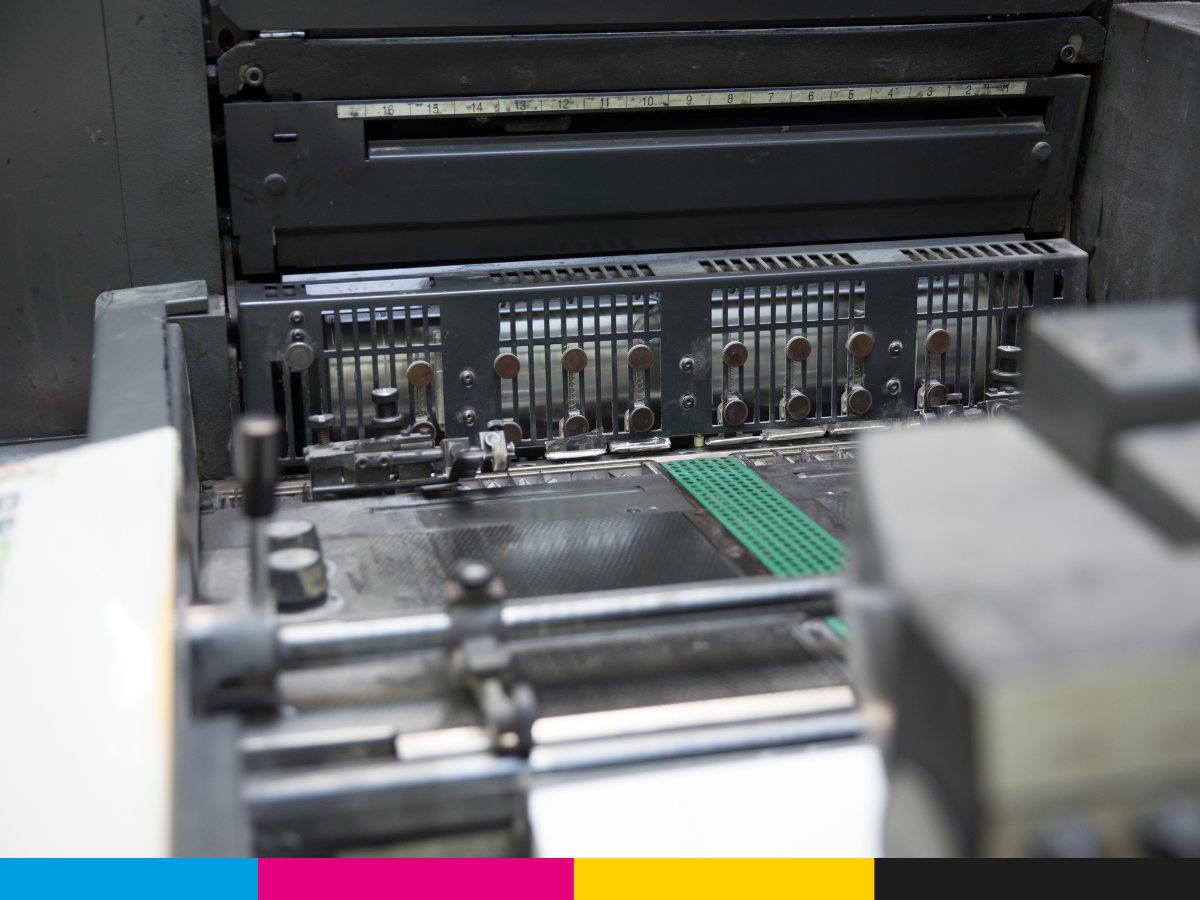
Have you ever wondered how offset printing works, step by step? If you’re curious about the intricacies of this widely-used printing method, you’ve come to the right place. In this detailed guide, we’ll walk you through the offset printing process from start to finish, covering everything from plate preparation to ink application. Whether you’re a printing enthusiast or a business owner considering offset printing for your next project, this article will provide you with a comprehensive understanding of how offset printing works. So, let’s dive in and explore the fascinating world of offset printing together.
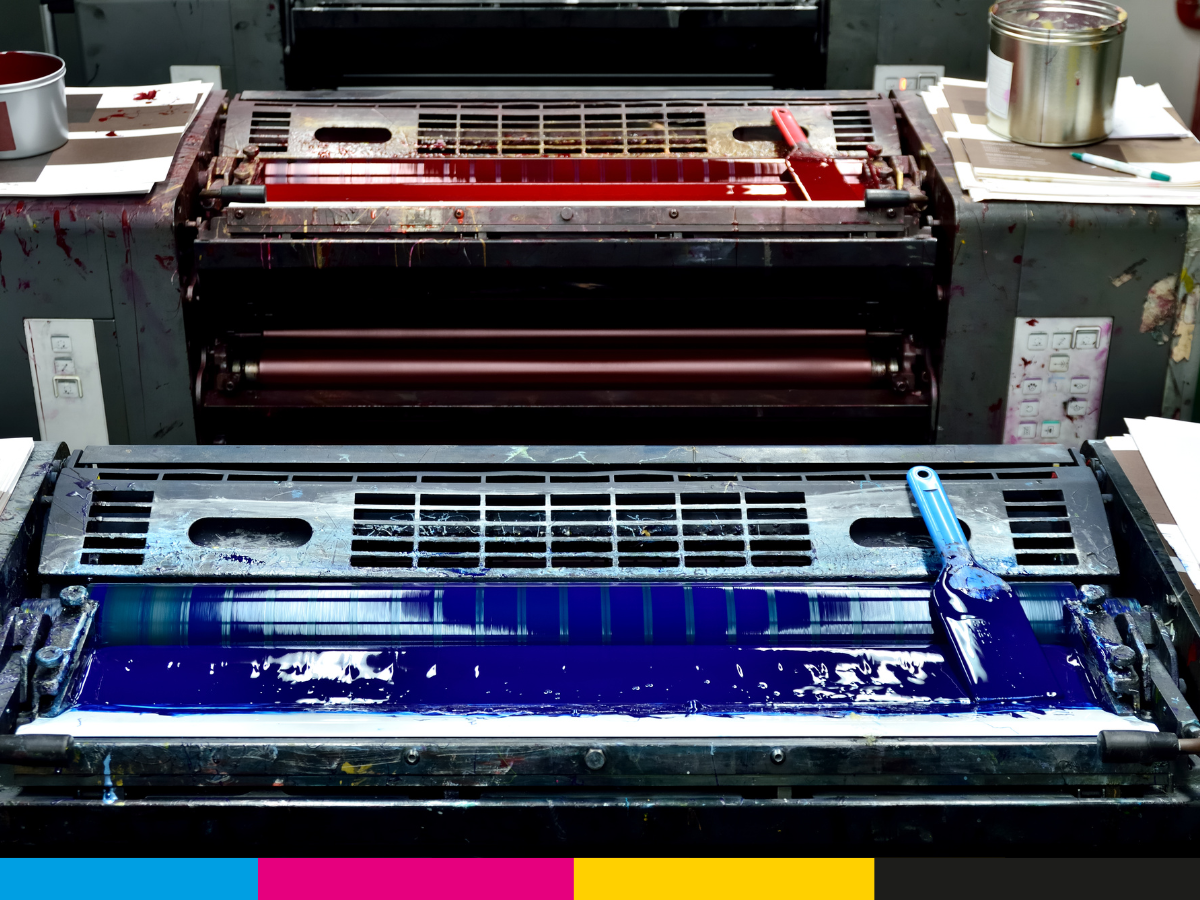
Offset Printing: A Comprehensive Guide to Printing Methods
Are you looking to delve into the world of printing methods and understand the nuances of offset printing? In this detailed guide, we’ll unravel the mysteries of offset printing and explore how it differs from other printing methods. Whether you’re a printing enthusiast or a business owner considering commercial printing options, this article will provide you with the insights you need to make informed decisions. So, let’s embark on a journey through the fascinating realm of offset printing and discover its unique characteristics and advantages.
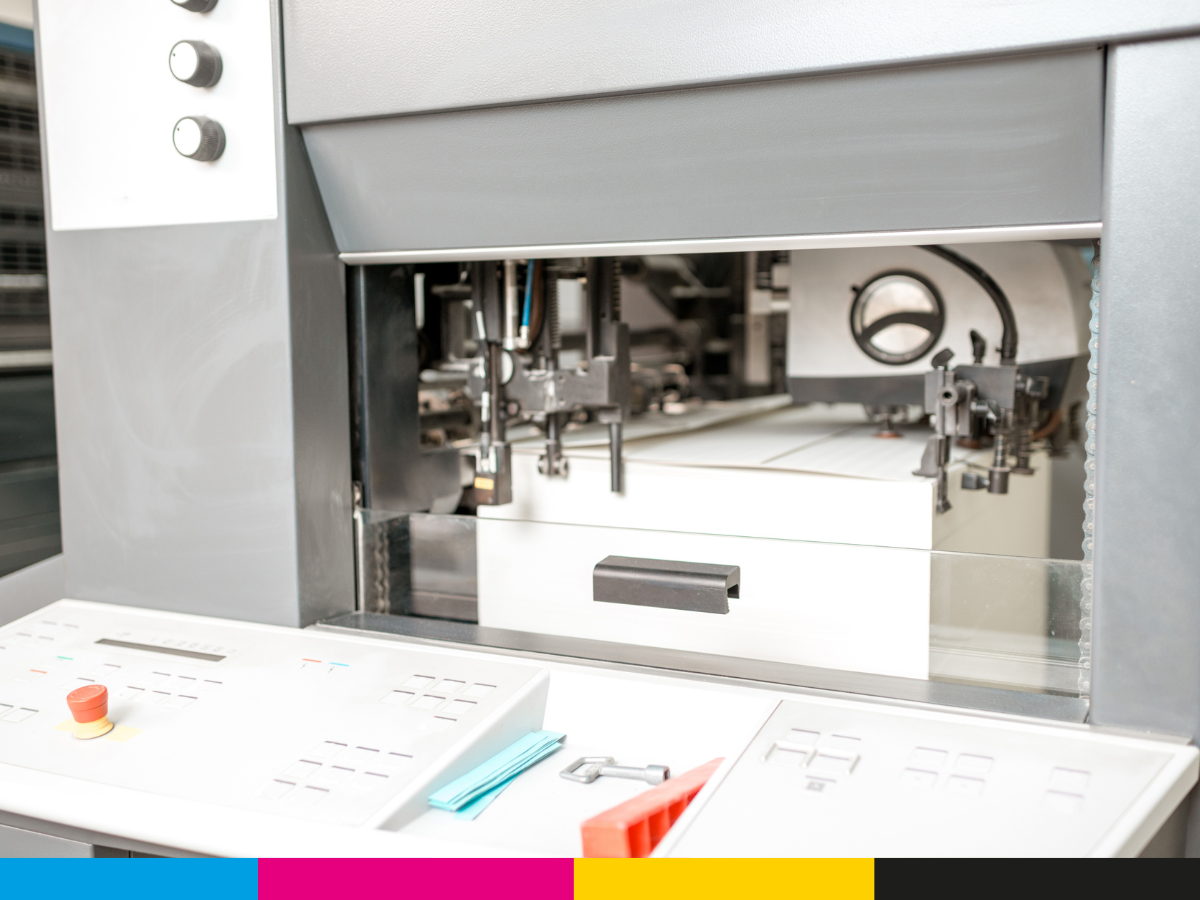
Guide to Offset Printing Press: The Machinery Behind the Magic
Before we delve into the offset printing press, let’s first grasp the fundamentals of offset printing. What is Offset Printing OP? OP is a widely-used printing technique that involves transferring ink from a printing plate onto a rubber blanket, and then onto the printing surface. It is renowned for its high-quality prints, vibrant colors, and versatility, making it a preferred choice for various printing projects, from brochures and magazines to packaging and labels. The Role of Offset Printing Press Now that we have a basic understanding of offset printing, let’s explore the pivotal role played by the OP press. What is an Offset Printing Press? An OP press is a sophisticated piece of machinery designed to execute the intricate process of offset printing. It consists of several key components, each contributing to the precision and efficiency of the printing process. Key Components of an Offset Printing Press Printing Plates: Printing plates are the foundation of the offset printing process. These plates are typically made of aluminum or polyester and are etched with the image or text to be printed. Each plate corresponds to a color in the final print, with separate plates used for cyan, magenta, yellow, and black (CMYK) colors. Inking System: The inking system of an OP press is responsible for applying ink to the printing plates. It consists of ink rollers that distribute ink evenly across the surface of the plates, ensuring consistent ink coverage and color reproduction. Blanket Cylinder: The blanket cylinder is a rubber-coated cylinder that receives the inked image from the printing plates. It then transfers the image onto the printing surface with precision and accuracy, resulting in high-quality prints. Impression Cylinder: The impression cylinder applies pressure to the printing surface, ensuring that the ink is transferred from the blanket cylinder onto the substrate with uniform pressure. This step is crucial for achieving crisp, clean prints with sharp details. Types of Offset Printing Presses Now that we understand the components of an offset printing press, let’s explore the different types of presses available in the market. Sheet-fed Offset Press Sheet-fed offset presses are designed to print individual sheets of paper or other substrates. They are ideal for small to medium-sized print runs and offer flexibility in terms of paper size, thickness, and finishing options. Web Offset Press Web offset presses, on the other hand, are designed to print from continuous rolls of paper or other substrates. They are well-suited for high-volume print runs and are commonly used in the production of newspapers, magazines, and catalogs. In conclusion, the OP press is the backbone of the printing industry, enabling the production of high-quality prints with precision and efficiency. From its key components to the different types of presses available, understanding the offset printing press is essential for anyone involved in the printing process. So, the next time you hold a beautifully printed piece of material in your hands, you’ll have a newfound appreciation for the machinery behind the magic. If you found this article helpful, be sure to visit our latest piece on our Ink Pedia Blog for more insights into sustainable practices, innovative technologies, and effective strategies to enhance your brand. Don’t miss out on valuable information that can take your printing projects to the next level! Looking to make a lasting impression? Explore our catalog of promotional products for unique, customizable items that elevate your brand. From custom apparel to branded merchandise, we have everything you need to leave a memorable mark at events and beyond. Visit now to find the perfect promotional items for your next campaign!
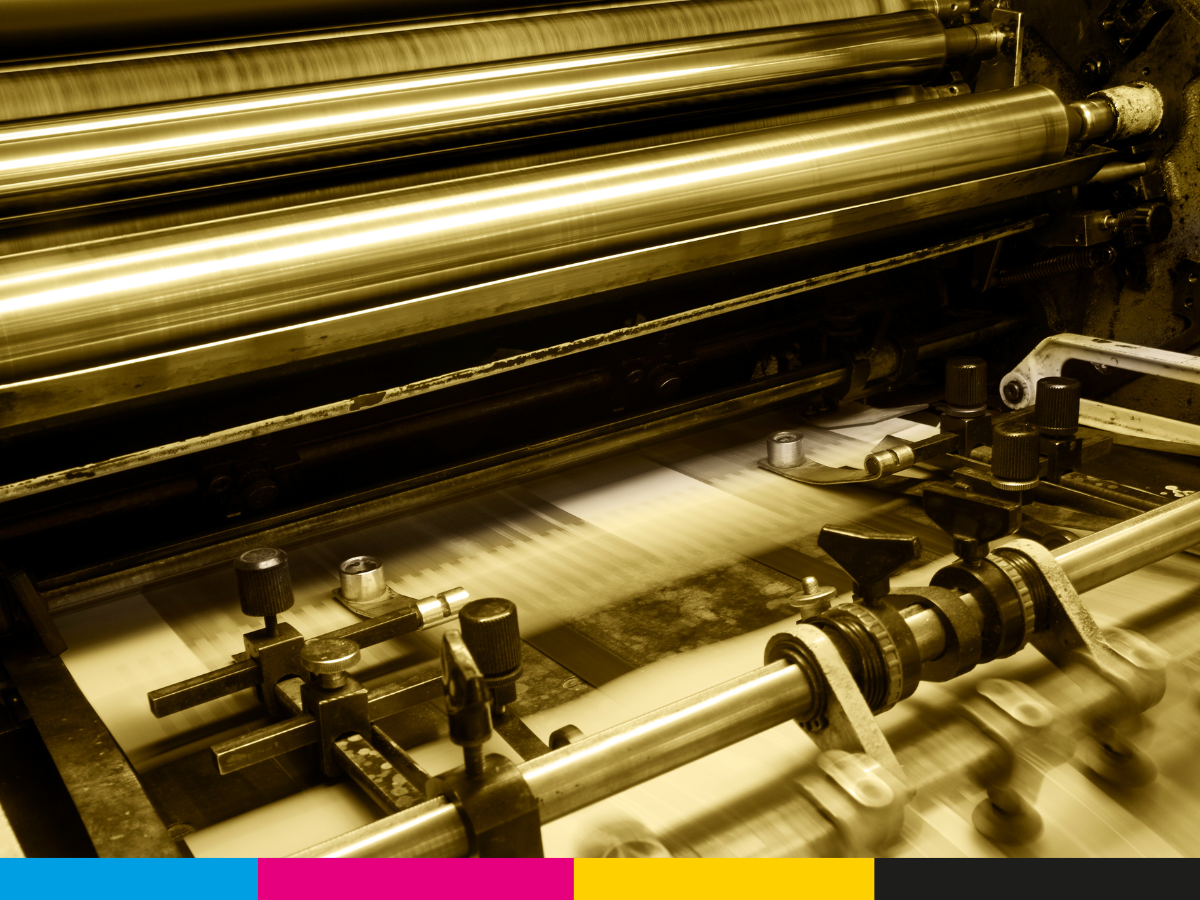
Decoding Digital and Offset Printing: Exploring the Green Printing Landscape
Are you torn between digital and offset printing methods, all while trying to make environmentally conscious decisions? The world of printing offers a plethora of options, each with its own set of advantages and considerations, including their eco-friendliness. In this comprehensive guide, we’ll delve into the realm of digital and offset printing, while also exploring the concept of green printing. So, if you’re curious about how these printing methods impact the environment and which one aligns best with green practices, keep reading to uncover the answers.
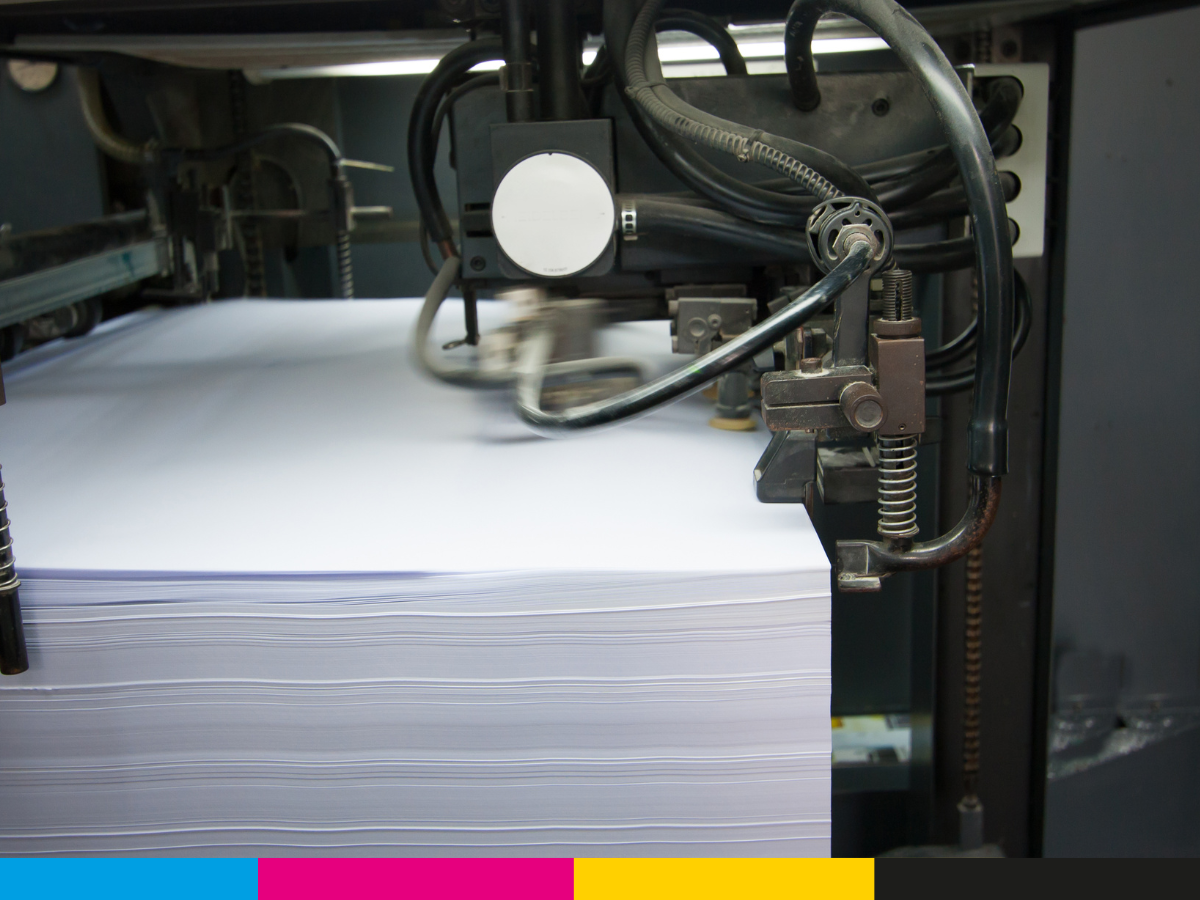
Is Offset Printing Eco-Friendly? The Truth Behind Green Printing
Are you curious about the environmental impact of offset printing? With growing concerns about sustainability and eco-friendliness, many people are wondering whether offset printing aligns with their green values. In this comprehensive guide, we’ll delve into the sustainability of offset printing, explore its environmental footprint, and uncover the truth behind its eco-friendliness. So, let’s embark on a journey to understand whether offset printing is truly green printing.
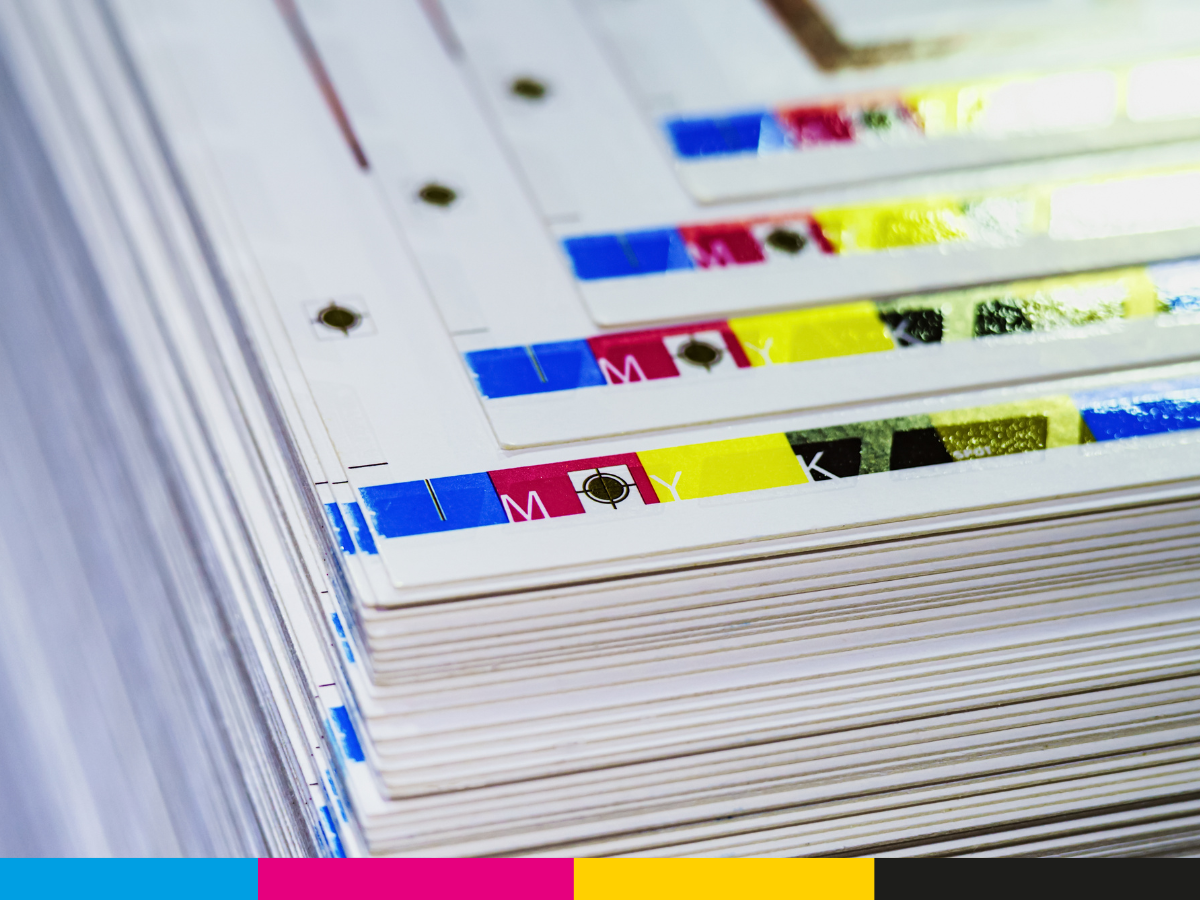
Why is it called Offset Printing?
The term “offset printing” may seem puzzling at first glance, but its origins can be traced back to the unique way in which this printing technique operates. Unlike traditional printing methods where ink is applied directly onto the printing surface, offset printing utilizes an indirect method of transferring ink from a plate onto a rubber blanket, and then onto the printing surface. It is this offsetting of the ink transfer that gives rise to the name “offset printing.” Understanding the Offset Process To better understand why it’s called offset printing, let’s delve into the step-by-step process that defines this printing technique: 1. Plate Preparation The offset printing OP process begins with the creation of printing plates, typically made of aluminum or polyester. These plates are etched with the image or text to be printed using specialized chemical processes. Each plate corresponds to a color in the final print, with separate plates used for cyan, magenta, yellow, and black (CMYK) colors. 2. Ink Application Once the plates are prepared, ink is applied to the plates using rollers. The ink adheres to the image areas on the plates while being repelled by the non-image areas, thanks to the principle of oil and water repelling each other. 3. Transfer to Rubber Blanket Next, the inked image is transferred from the printing plates onto a rubber blanket. The rubber blanket serves as an intermediary surface that receives the ink from the plates and then transfers it onto the final printing surface. 4. Printing Surface Contact Finally, the printing surface, typically paper or cardboard, is brought into contact with the rubber blanket. The pressure applied by the printing press ensures that the ink is transferred from the blanket onto the printing surface, resulting in a crisp, clean print. Key Characteristics of Offset Printing Offset printing is known for several key characteristics that set it apart from other printing methods: 1. High-Quality Prints OP produces high-quality prints with sharp details and vibrant colors, thanks to its precise ink transfer and printing process. This makes it ideal for a wide range of applications, including books, magazines, brochures, and packaging materials. 2. Cost-Effectiveness OP is also cost-effective, particularly for large print runs. While the initial setup costs may be higher compared to digital printing, the per-unit cost decreases significantly as the print quantity increases, making it an economical choice for bulk printing projects. 3. Versatility Another characteristic of offset printing is its versatility. It can accommodate a variety of printing materials, including paper, cardboard, plastic, and more, making it suitable for a wide range of printing applications. The Evolution of Offset Printing The origins of OP can be traced back to the late 19th century, with the first commercial offset press introduced in the early 20th century. Since then, offset printing has undergone significant advancements and innovations, leading to improved efficiency, print quality, and versatility. 1. Early Developments The development of offset printing can be attributed to several key innovators, including American inventor Ira Washington Rubel, who patented the first offset printing press in 1904. This early offset press utilized a rubber blanket to transfer ink from the printing plates onto the printing surface, laying the foundation for modern offset printing technology. 2. Technological Advancements Over the years, offset printing technology has evolved to become more efficient, precise, and versatile. Advances in plate-making techniques, ink formulations, press design, and automation have contributed to the widespread adoption of OP in various industries worldwide. In conclusion, the name “offset printing” originates from the unique way in which ink is transferred from the printing plates onto the printing surface, via an intermediary rubber blanket. This indirect offsetting of the ink transfer distinguishes offset printing from other printing methods and gives rise to its intriguing name. With its high-quality prints, cost-effectiveness, versatility, and rich history of innovation, offset printing continues to be a cornerstone of the printing industry, serving a wide range of printing needs for businesses and individuals alike. So, the next time you come across the term “offset printing,” you’ll have a deeper understanding of the fascinating origins behind this time-honored printing technique. If you found this article helpful, be sure to visit our latest piece on our Ink Pedia Blog for more insights into sustainable practices, innovative technologies, and effective strategies to enhance your brand. Don’t miss out on valuable information that can take your printing projects to the next level! Looking to make a lasting impression? Explore our catalog of promotional products for unique, customizable items that elevate your brand. From custom apparel to branded merchandise, we have everything you need to leave a memorable mark at events and beyond. Visit now to find the perfect promotional items for your next campaign!
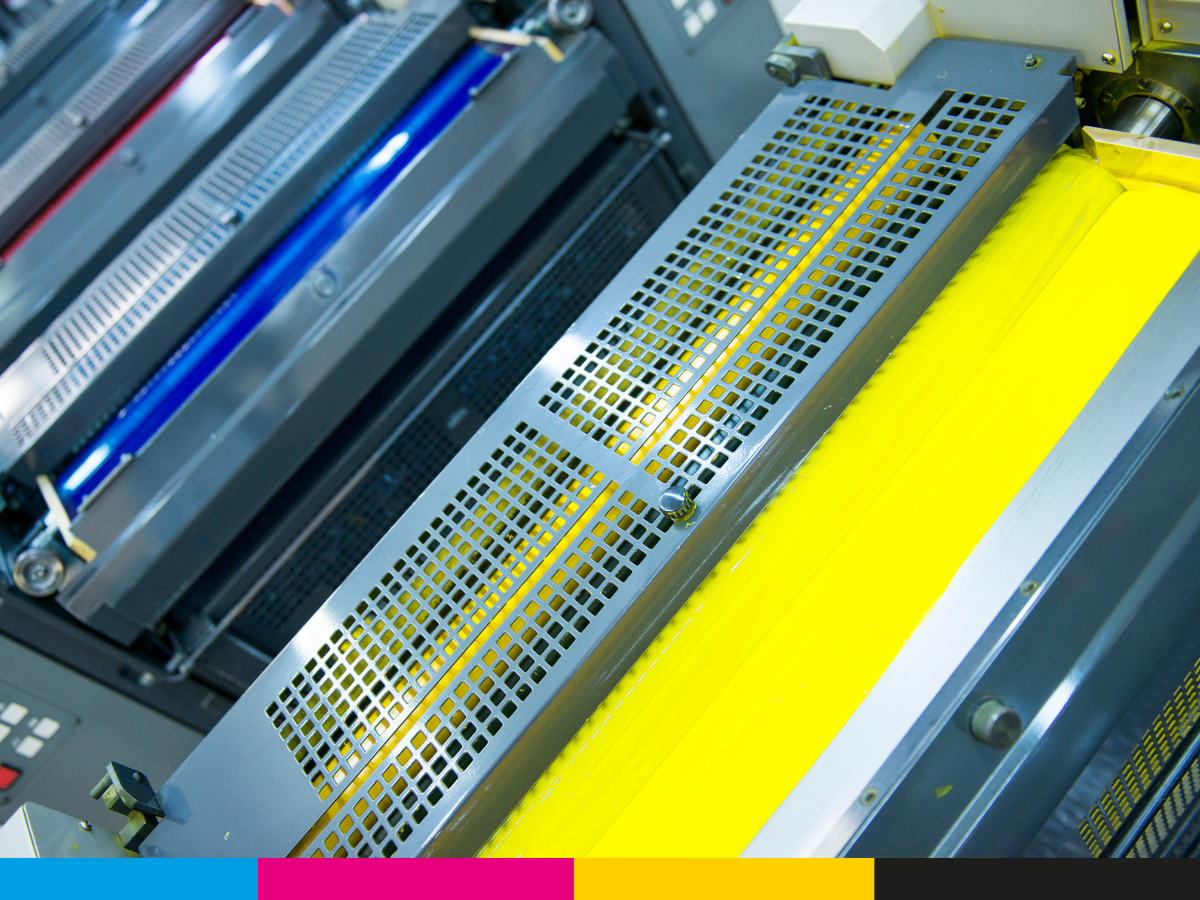
Demystifying Ghosting in Offset Printing: Understanding the Phenomenon
Have you ever encountered faint, shadowy images or text in your offset prints, seemingly haunting the final product? This perplexing phenomenon is known as ghosting, and it’s a common occurrence in offset printing. But fear not! In this comprehensive guide, we’ll shed light on what ghosting is, why it happens, and how you can prevent it. So, let’s dive into the mysterious world of ghosting in offset printing and unravel the secrets behind this enigmatic occurrence.
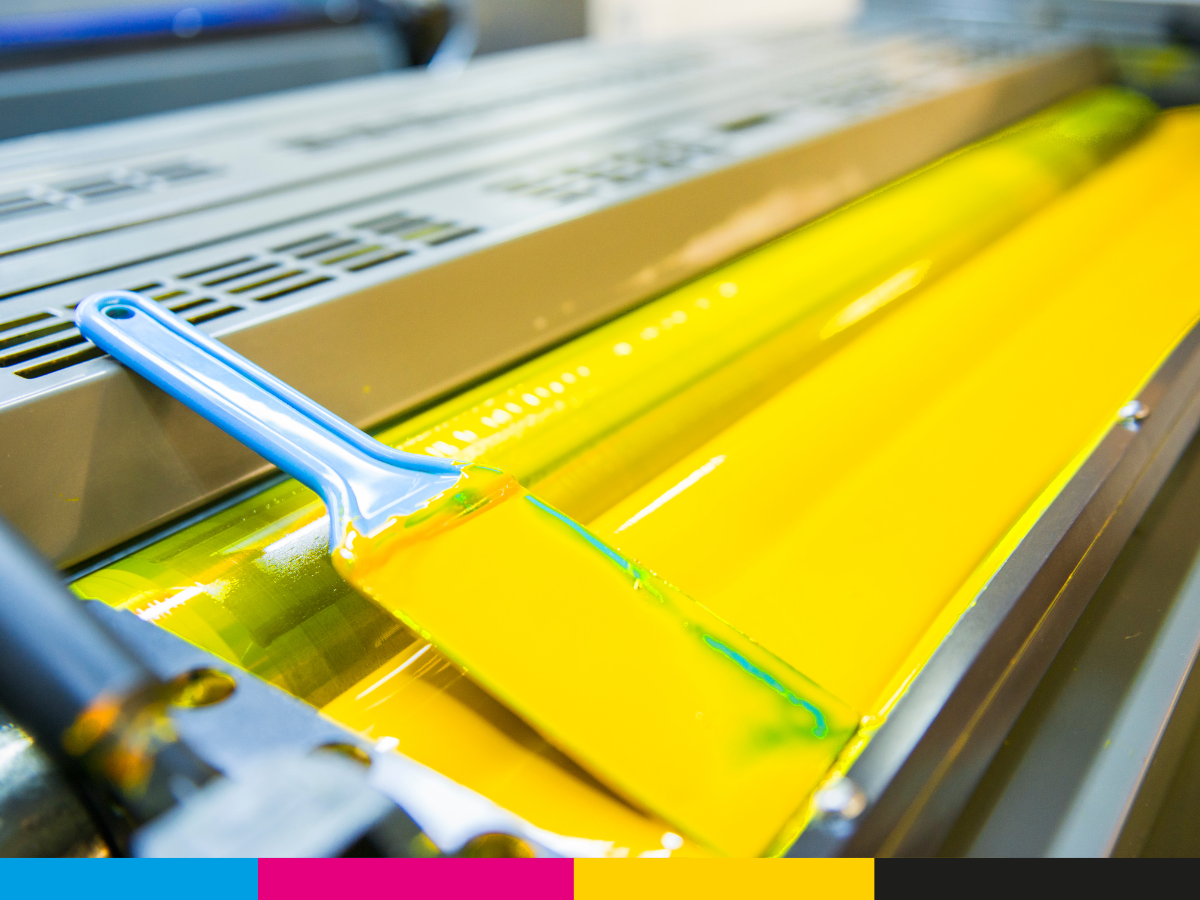
The Mechanics of Offset Printing: A Step-by-Step Guide
Have you ever gazed in wonder at the crisp, vibrant prints produced by offset printing and wondered how it all works? Prepare to embark on a journey into the fascinating world of offset printing technology. In this comprehensive guide, we’ll delve deep into the inner workings of offset printing machines, materials used, and the intricate process that transforms digital designs into tangible prints. So, let’s dive in and uncover the magic behind offset printing.
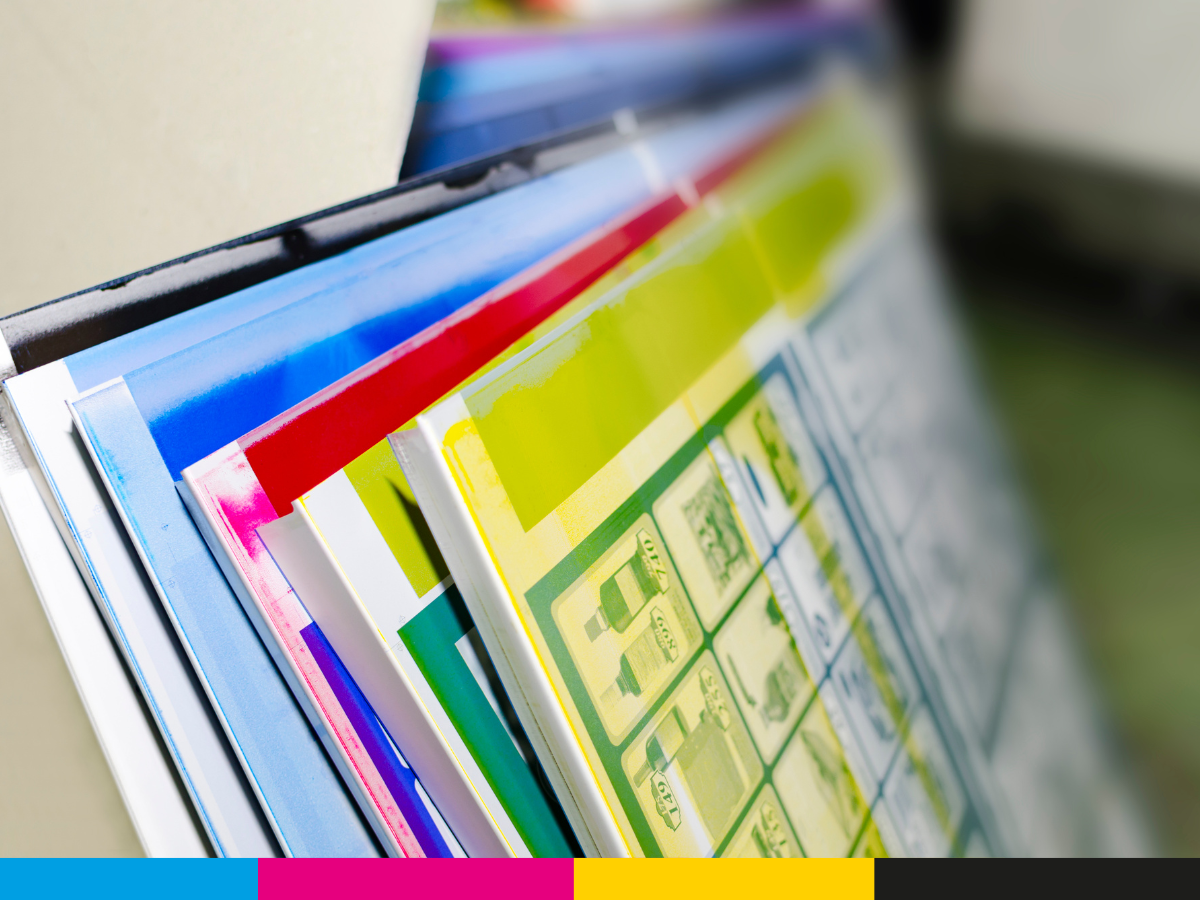
Exploring the Key Differences Between Offset and Digital Printing: A Comprehensive Guide
Are you curious about the fascinating world of printing technologies? Perhaps you’ve heard about offset and digital printing but aren’t quite sure how they differ. Well, you’re in for a treat! In this in-depth guide, we’ll unravel the mysteries behind offset and digital printing, exploring their unique characteristics, advantages, and applications. So, buckle up and get ready to embark on a journey through the dynamic landscape of printing technology.
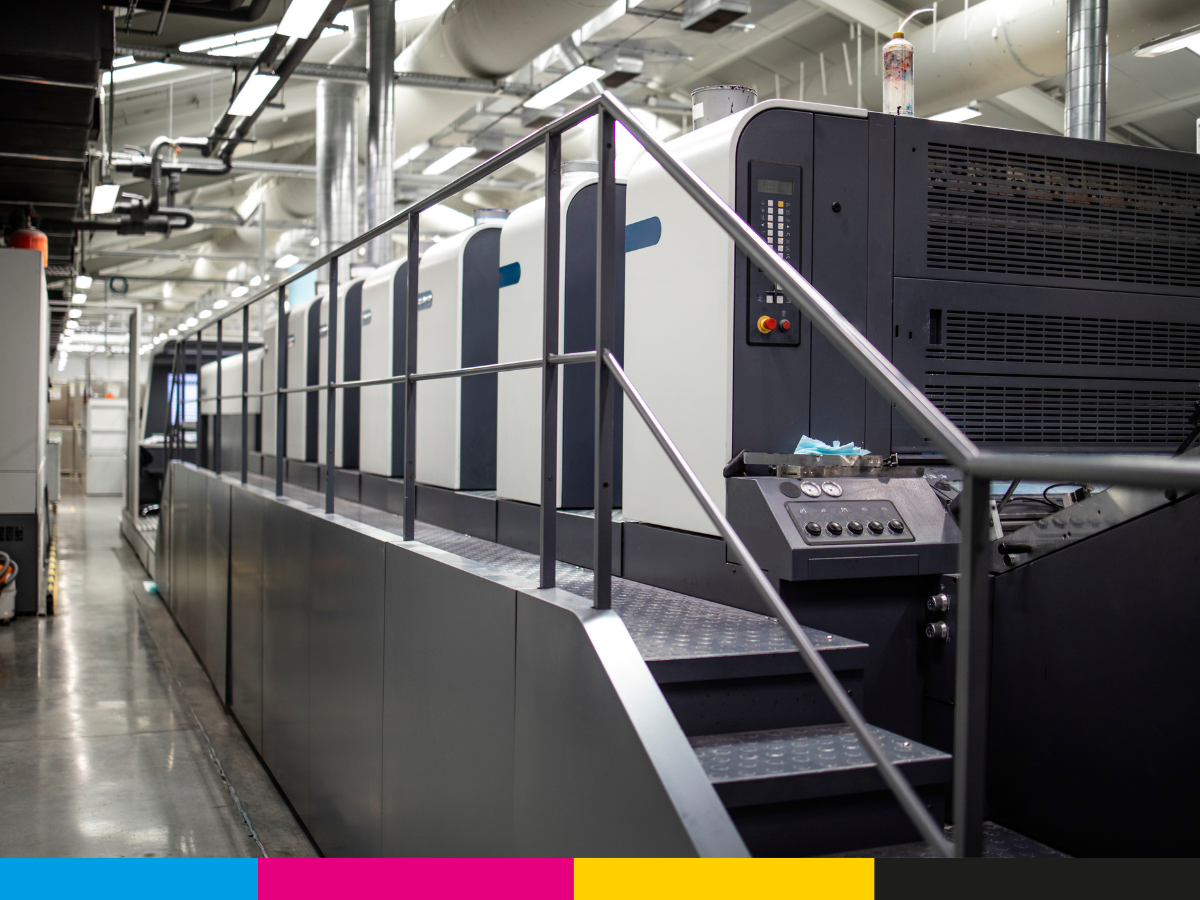
The Magic of Offset Printing Services: Everything You Need to Know
Have you ever wondered about the world of offset printing services? Perhaps you’re looking to bring your printing projects to life but aren’t quite sure where to start. Well, you’re in luck! In this comprehensive guide, we’ll take you on a journey through the realm of offset printing services, exploring what they entail and how they can benefit you. So, sit back, relax, and let’s dive into the fascinating world of offset printing.